Super-Complaint Launched Over ‘Excessively Lengthy’ Police Investigations into Sexual Offences
Soaring police delays have left over 37,000 survivors of sexual offences waiting for more than three years for their cases to be investigated over the last decade, according to survivor organisations launching a rare type of action against policing today.
FIGHTBACK
Our new film ‘Fightback’, highlights the plight of women convicted of the murder of male partners who were violent and abusive towards them.

'The Escape from Kabul' Book Giveaway - Terms & Conditions
The terms and conditions for the social media giveaway to win a copy of ‘The Escape from Kabul’.
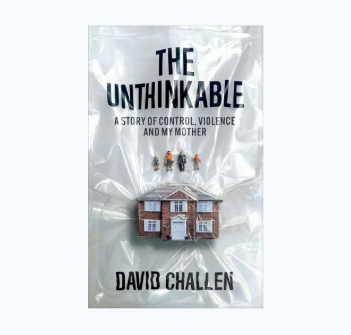
'The Unthinkable' Book Giveaway - Terms & Conditions
The terms and conditions for the social media giveaway to win a copy of ‘The Unthinkable’.
'Bad experiences not bad character' Campaign win
Government commits to law change that will restrict victims’ previous experiences of rape and sexual violence being used against them in court.
Government adopt CWJ proposals to give rape victims a fair hearing
The Government has announced a series of reforms to allow rape victims a fairer hearing at trial.
CWJ demand action to address life-threatening delays to rape trials
Rape Crisis England and Wales have released new research showing the devastating impact of the Crown Court backlog on victims and survivors of rape and sexual abuse. The new report, Living in Limbo, updates the data from their 2023 report, Breaking Point, which showed the extent of the damage already being done by a desperately under-resourced court system. This new report reveals the ongoing, and compounding harm since then.
Clumsy drafting of the Sentencing Bill may increase the number of women sent to prison
The third in a series of guest blogs from Dame Vera Baird DBE KC.
CWJ welcomes government plans to expunge unjust ‘child prostitution’ convictions
Centre for Women’s Justice is delighted to see measures introduced by the government in the Crime and Policing Bill to disregard and pardon historic “child prostitution” convictions.
The Right to Be Reviewed: Why Survivors’ Voices Must Shape Justice
Five years on — Jade Blue reflects on injustice and being heard.
CWJ response to launch of Investigatory Powers Commissioner’s MI5 probe
CWJ welcomes statements made by the Prime Minister and the Investigatory Powers Commissioner’s Office, announcing that the Deputy Investigatory Powers Commissioner Sir John Goldring will lead an independent investigation into MI5 – following revelations of improper conduct in proceedings about a secret agent ‘X’.

CWJ comment on The Jury: Murder Trial (Series 2) - The trial of a woman who killed her violent boyfriend
The second series in Channel 4’s BAFTA winning series, The Jury, to be screened from 26 August reconstructs the murder trial of a young woman who killed her violent boyfriend.
CWJ response to Investigatory Powers Tribunal’s judgment on MI5’s false evidence in the case of ‘Beth’
The President of the Investigatory Powers Tribunal has handed down a judgment on the implications of MI5 relying on false information in proceedings about its abusive agent, ‘X’.
CWJ’s initial response to publication of Law Commission’s landmark report on sexual offences
The Law Commission are today (22 July 2025) publishing a report on their consultation examining the law, guidance, and practice relating to the use of evidence in sexual offences cases.
New research reveals how the criminal justice system colludes with perpetrators of coercive control to criminalise their victims
In our new research report, ‘Doing his job for him’: how the criminal justice system fails victims of coercive control who are accused of offending’, we present the accounts of seven victims of coercive control who were unfairly criminalised as a result of their own experience of abuse and recommend reforms in law, policy and practice.
‘Doing his job for him’: How the criminal justice system responds when victims or coercive control are accused of offending
In this report we build on our Stop Criminalising Survivors film series and earlier research reports, Women Who Kill, Double Standard and No Safe Space, by presenting the detailed accounts of seven victim-survivors of coercive control, exploring their experiences of being investigated and charged for alleged offending that took place in the context of their own experience of abuse. Led by the survivors’ experiences and insights, we explore the following questions:
• How does coercive control lead victim/survivors to be accused of offending?
• How is victim/survivors’ experience of coercive control taken into account in proceedings against them, if at all?
• What is the impact on victim/survivors?
• What reforms are needed?