
Hope Campaign
Mission
We want all criminal convictions of women in street prostitution wiped from the record, so we can live freely without stigma.
We are not campaigning for the full decriminalisation of the sex trade as we believe those that abuse and exploit women in prostitution should be held accountable by the criminal justice system.
MANIFESTO
We are UK sex trade survivors who endured violence and abuse from punters and pimps along with the stigmatisation of being labelled a ‘common prostitute’.
The CEDAW Case
QSA and others v The UK
The case, being prepared to be lodged with the Committee in Autumn 2021 followed our previous case in the UK courts challenging:
1. the criminalisation of soliciting and loitering
2. the recording and retention of criminal records, and
3. the disclosure of those records under the disclosure and barring scheme (DBS).
In 2018 we scored a partial victory when the High Court agreed that the operation of the Disclosure and Barring Scheme as it applied to our case was a violation of the right to privacy as protected under Article 8 ECHR.
At a further hearing, we argued again that retaining our criminal records for 100 years was disproportionate and discriminatory. But the court dismissed this claim.
We are therefore submitting an application to CEDAW to argue that:
1. The criminalising of conduct falling within s1(1) Street Offences Act 1959 (ie soliciting and loitering) discriminates against women
2. The retention of the criminal records of s1(1) offences on the Police National data base until each reaches the age of 100 years is also discriminatory and disproportionate
CEDAW, is United Nations convention treaty which was ratified by the UK in 1986. As its name suggests it contains a series of articles rights and procedures aimed at eliminating discrimination against women. These include a commitment to tackling gender based violence and challenging the criminalisation of women in prostitution. Soliciting and Loitering was, until very recently an offence which could only be committed by women. As a result, as the UK court recognised in the QSA case, 98% of criminal convictions for this offence are held by women. Even though the wording of the offence is now gender neutral this does not stop the discriminatory impact on the thousands of women who have historical convictions suffering the ongoing stigmatisation of having such criminal convictions.
Click here to read our recent submission to the Joint Committee on Human Rights’ Call for Evidence on the Victims and Prisoners’ Bill.
How you can help:
Please share and pledge to support this campaign - https://www.crowdjustice.com/case/h-o-p-e/
ABOUT US
JULIE SWEDE
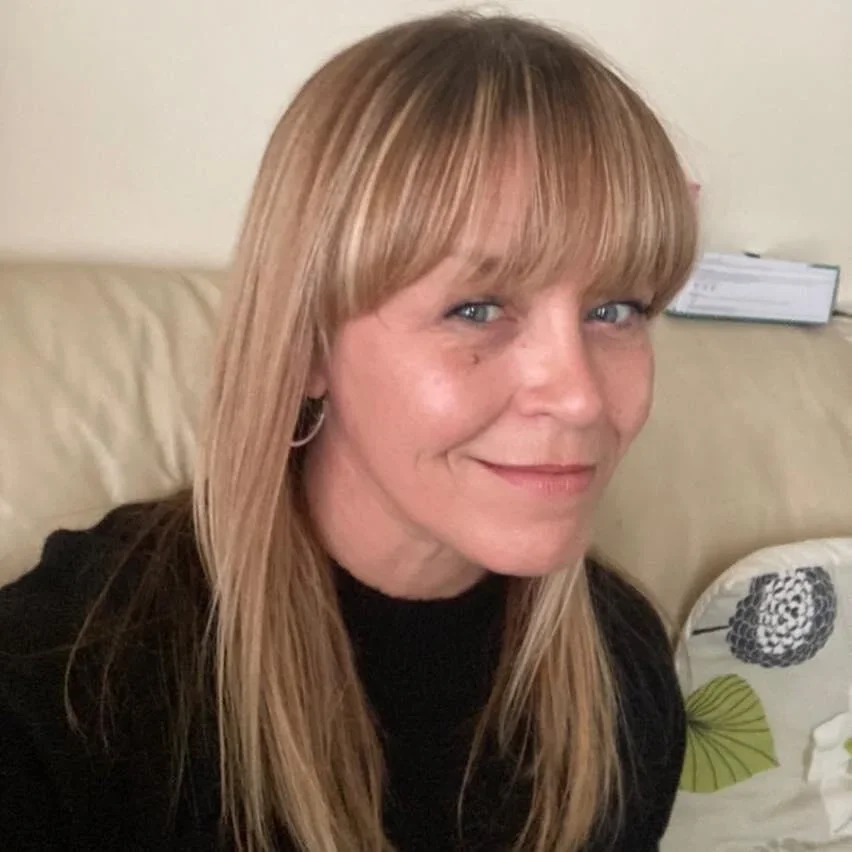
I was just 15 when I started to be exploited in prostitution and trafficked across a number of cities in England
I was badly beaten up by pimps and punters and arrested on the streets by the police. I became addicted to heroin aged 19 which helped me escape the horror I was living with. I eventually managed to come off heroin and get out of prostitution age 30. However, I continued to be held back and stigmatised as a result of my convictions for soliciting and loitering
I have done a lot of volunteering In Bristol with projects supporting women in prostitution and drug and mental health charities. I have never managed to get paid employment partly because of being required to disclose my criminal convictions and the stigma associated with this. I have started campaigning against the exploitation of women in prostitution after I became involved in the litigation challenging criminalisation of women. I have recently decided to waive my right to anonymity to help the campaign by speaking out publicly.
FIONA BROADFOOT
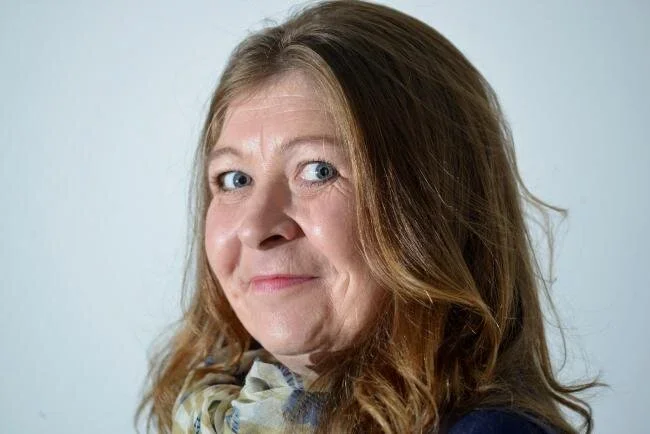
At 15 I was groomed by a ‘boyfriend’ who became my pimp and made me sell sex on the streets.
When I escaped my first pimp, I was picked up by another and continued to be pimped on the streets and in brothels. I suffered violence and abuse from my pimps and punters and I was regularly arrested by the police whilst they exchanged friendly greetings with my pimp. As a result of the police actions, by the age of 17, I had 39 convictions for soliciting and loitering. I eventually escaped prostitution aged 26 after I heard about the death of my cousin, Maureen Stepan, who had also been exploited in prostitution and was murdered by a punter.
In the 1990s I met feminist activists and in 1996 I spoke of my experience in prostitution at the International conference to end violence against women. Since then I have campaigned to end the sex trade and the criminalisation of women in prostitution. I am a member of SPACE international, a survivor led organisation challenging the abuse and exploitation of women in prostitution. I am also the founder of Build a Girl, a survivor led social enterprise working with girls at risk of or experiencing sexual exploitation.
Fiona and Julie speak for thousands other women similarly impacted, including:
“My conviction happened over 30 years ago. I have worked hard to move on from my past and start a new life. I was the victim, the men who paid me for sex were never arrested, they have been allowed to carry on with their lives. I am still being criminalised and am being prevented from moving on with my life.”
“I have sheer panic when I see a job and then see DBS required. I feel the reaction I experience is a form of trauma - anxiety, anger and rage. I also feel disgust that people are so judgemental when to me the perpetrator who experiences none of this is the one who should feel shame.”
“When I have had to disclose my criminal convictions, it makes me deeply depressed and I feel like going to bed and hiding. How do you explain you were raped for a period of 20 years? I feel I am being punished for the past and always will be but I don’t believe I am a risk to anyone. I just want to be free.”
*names changed to protect anonymity
“My criminal convictions are a result of the sexual abuse and exploitation I experienced as a child and young woman. Instead of being treated as a victim I have been criminalised.”